Designing for the Egyptian User: Best Practices in Arabic UI/UX and Localized Development
Designing for the Egyptian User: Best Practices in Arabic UI/UX and Localized Development
Apr 14, 2026
Apr 14, 2026
Website design and development
Website design and development
Website design and development
mobile apps design and development
mobile apps design and development
mobile apps design and development
Egypt
Egypt
Egypt
Arabic UI design
Arabic UI design
Arabic UI design
Written by

Gasser Amr
4 min read
Cracking the Code of Localized Website Design and Development in Egypt
Cracking the Code of Localized Website Design and Development in Egypt
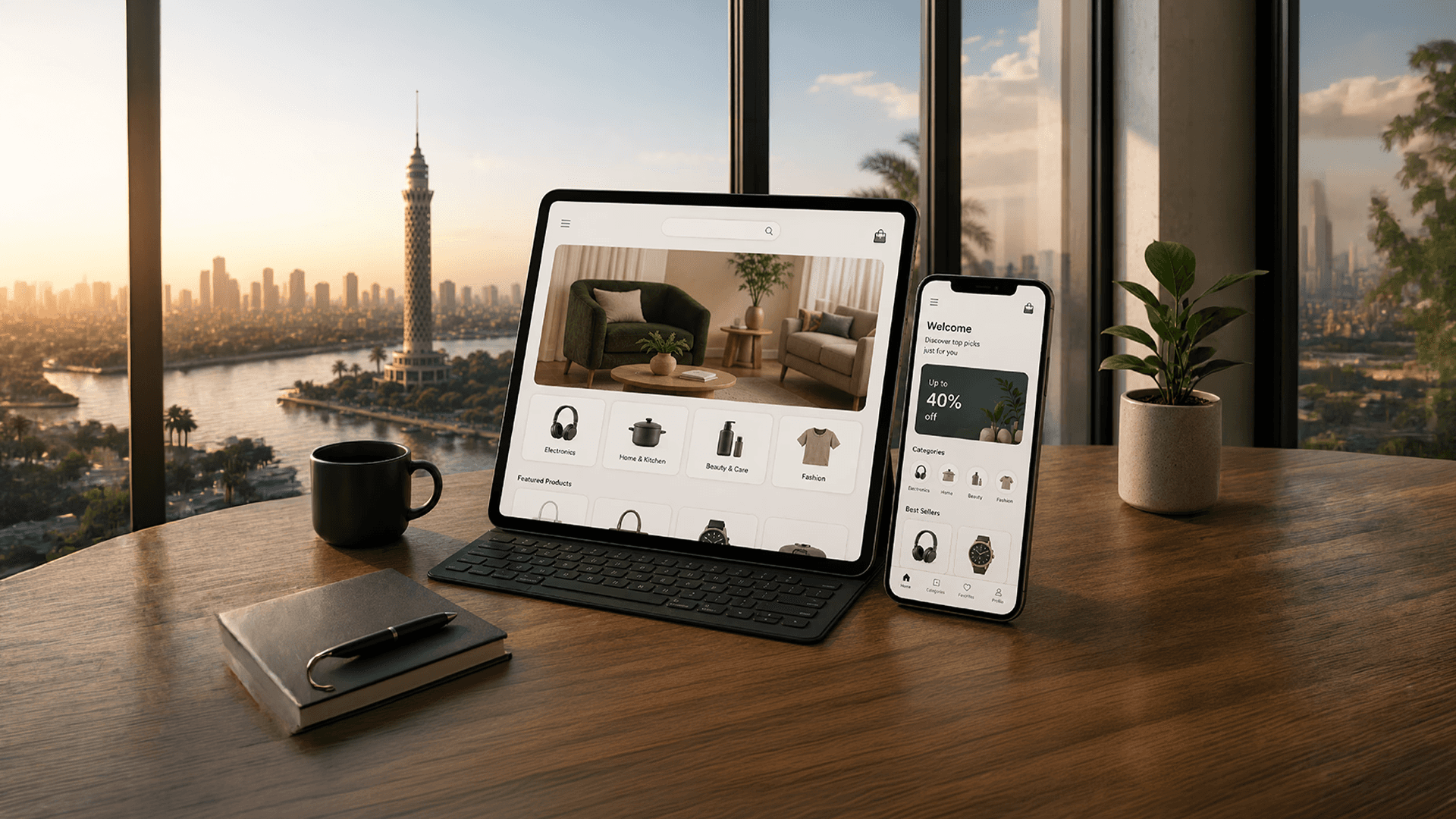
Launching a digital product in Egypt requires more than translating content into Arabic. Many websites and applications are originally designed around Western user behaviors, left-to-right interfaces, and international purchasing habits. To create meaningful engagement with Egyptian audiences, businesses must build localization into every stage of website design and development—from user experience and language choices to payment methods and mobile interactions. A localized product feels natural, familiar, and trustworthy because it reflects the expectations and behaviors of its users. This approach aligns with TheGeeX's philosophy of creating digital experiences that combine technical excellence with purposeful design.
Launching a digital product in Egypt requires more than translating content into Arabic. Many websites and applications are originally designed around Western user behaviors, left-to-right interfaces, and international purchasing habits. To create meaningful engagement with Egyptian audiences, businesses must build localization into every stage of website design and development—from user experience and language choices to payment methods and mobile interactions. A localized product feels natural, familiar, and trustworthy because it reflects the expectations and behaviors of its users. This approach aligns with TheGeeX's philosophy of creating digital experiences that combine technical excellence with purposeful design.
To win over local consumers, businesses must prioritize localization from the very first wireframe. Authentic localization in website design and development means crafting experiences tailored specifically to the behavioral habits, language dynamics, and cultural expectations of users across Egypt.
To win over local consumers, businesses must prioritize localization from the very first wireframe. Authentic localization in website design and development means crafting experiences tailored specifically to the behavioral habits, language dynamics, and cultural expectations of users across Egypt.
The Technical Challenges of Right-to-Left (RTL) Layouts
The Technical Challenges of Right-to-Left (RTL) Layouts
Designing for Arabic-speaking users requires far more than translating text. Arabic is read from right to left, which means the entire interface must be restructured to match the user's natural reading flow. Navigation menus, progress indicators, arrows, icons, forms, and content layouts all need to be mirrored appropriately. Beyond layout considerations, typography plays a crucial role. High-quality Arabic typefaces with proper spacing and readability are essential for delivering a comfortable user experience across devices. When implemented correctly, RTL design creates an intuitive and seamless browsing experience that feels native rather than adapted.
Designing for Arabic-speaking users requires far more than translating text. Arabic is read from right to left, which means the entire interface must be restructured to match the user's natural reading flow. Navigation menus, progress indicators, arrows, icons, forms, and content layouts all need to be mirrored appropriately. Beyond layout considerations, typography plays a crucial role. High-quality Arabic typefaces with proper spacing and readability are essential for delivering a comfortable user experience across devices. When implemented correctly, RTL design creates an intuitive and seamless browsing experience that feels native rather than adapted.
LTR Layout: [Logo/Brand] ------------> [Navigation Links] ------------> [Cart Icon] RTL Layout: [Cart Icon] <------------ [Navigation Links] <------------ [Logo/Brand]
LTR Layout: [Logo/Brand] ------------> [Navigation Links] ------------> [Cart Icon] RTL Layout: [Cart Icon] <------------ [Navigation Links] <------------ [Logo/Brand]
LTR Layout: [Logo/Brand] ------------> [Navigation Links] ------------> [Cart Icon] RTL Layout: [Cart Icon] <------------ [Navigation Links] <------------ [Logo/Brand]
Mobile Apps Design and Development: Cultural Preferences vs. Global Trends
Mobile Apps Design and Development: Cultural Preferences vs. Global Trends
Successful mobile apps in Egypt are built around local user behavior rather than global design trends alone. Egyptian users often prefer visual cues and intuitive navigation over large amounts of text, making icons, illustrations, and clear user flows especially important. Localization should also extend to practical features such as address collection, location services, and account verification. Integrating familiar communication channels like WhatsApp and SMS-based authentication can significantly reduce friction during onboarding. By focusing on convenience and familiarity, businesses can create mobile experiences that encourage higher engagement and retention.
Successful mobile apps in Egypt are built around local user behavior rather than global design trends alone. Egyptian users often prefer visual cues and intuitive navigation over large amounts of text, making icons, illustrations, and clear user flows especially important. Localization should also extend to practical features such as address collection, location services, and account verification. Integrating familiar communication channels like WhatsApp and SMS-based authentication can significantly reduce friction during onboarding. By focusing on convenience and familiarity, businesses can create mobile experiences that encourage higher engagement and retention.
Language Nuances: Modern Standard Arabic vs. Egyptian Dialect (Ammiya)
Language Nuances: Modern Standard Arabic vs. Egyptian Dialect (Ammiya)
Language choice has a direct impact on how users perceive a brand. Modern Standard Arabic (Fusha) communicates professionalism, authority, and trust, making it ideal for industries such as finance, healthcare, and legal services. On the other hand, incorporating elements of Egyptian Arabic (Ammiya) into notifications, marketing campaigns, and customer interactions can create a stronger emotional connection with users. The most effective digital products understand when to use formal language for credibility and when to adopt a more conversational tone to feel approachable and relatable.
Language choice has a direct impact on how users perceive a brand. Modern Standard Arabic (Fusha) communicates professionalism, authority, and trust, making it ideal for industries such as finance, healthcare, and legal services. On the other hand, incorporating elements of Egyptian Arabic (Ammiya) into notifications, marketing campaigns, and customer interactions can create a stronger emotional connection with users. The most effective digital products understand when to use formal language for credibility and when to adopt a more conversational tone to feel approachable and relatable.
Summary Checklist for Launching a Localized Product
Summary Checklist for Launching a Localized Product
Before launching a website or mobile application in Egypt, businesses should ensure that every aspect of the experience has been properly localized. This includes verifying that directional icons and navigation elements are mirrored for RTL layouts, form fields are right-aligned, and systems can process both Western and Eastern Arabic numerals. Checkout experiences should also display familiar local payment options and trusted gateway logos to increase user confidence. By addressing these details early in the development process, companies can deliver a product that feels truly designed for the Egyptian market rather than simply translated for it.
Before launching a website or mobile application in Egypt, businesses should ensure that every aspect of the experience has been properly localized. This includes verifying that directional icons and navigation elements are mirrored for RTL layouts, form fields are right-aligned, and systems can process both Western and Eastern Arabic numerals. Checkout experiences should also display familiar local payment options and trusted gateway logos to increase user confidence. By addressing these details early in the development process, companies can deliver a product that feels truly designed for the Egyptian market rather than simply translated for it.
Explore More Blogs
Explore More Blogs
Explore More Blogs


So… what are we building together?
Tell us what you’re building — we’ll help you make it real.
So… what are we building together?
Tell us what you’re building — we’ll help you make it real.
So… what are we building together?
Tell us what you’re building — we’ll help you make it real.